Your Guide to Nutritious Shopping and Living
When I want to make healthier choices, I find that a health food store offers so much more than just vitamins and supplements. A health food store is a place where I can discover organic produce, gluten-free snacks, natural remedies, and quality products designed to support my well-being. These stores often carry items that I can’t always find at big supermarkets, like herbal teas, dairy alternatives, and unique grains.
Shopping at a health food store makes it easier for me to learn about nutrition and try new foods that fit my lifestyle. I always appreciate how the staff is usually knowledgeable and able to answer my questions about ingredients or health benefits. Exploring the aisles, I know I’m taking steps toward a better and healthier life.
What Is a Health Food Store?
A health food store specializes in foods and products that focus on wellness, nutrition, and specific dietary needs. These stores stand out for their commitment to high-quality ingredients and offering selections that promote a balanced lifestyle.
Defining a Health Food Store
When I walk into a health food store, I see more than just shelves of food. Health food stores mainly offer organic, natural, and minimally processed foods. This means the products have as few artificial additives and preservatives as possible and do not include genetically modified organisms (GMOs) where clearly marked.
These stores also feature a wide range of nutritional supplements, including vitamins, minerals, and herbal products. Many items are tailored for people with special diets, like gluten-free, vegan, or paleo options, making it easier for me to find foods that fit my needs.
The main focus is always on promoting health through better food. Foods sold tend to be whole grain, low in refined sugars, and made from recognizable ingredients. Even household and personal care products in these stores are often made with simple and gentle formulas.
Types of Health Food Stores
Health food stores come in several types, ranging from large natural grocers to small neighborhood shops. Some focus mainly on organic produce and dry goods, while others might stock a bigger selection of specialty supplements or natural health products.
There are independent stores that offer a personalized shopping experience, often giving advice on choosing foods or supplements. Larger chain stores usually have a broader variety and sometimes include items like cruelty-free beauty products and eco-cleaners.
A helpful feature in many of these stores is the presence of dedicated sections, such as gluten-free, dairy-free, or bulk bins. This layout helps me find what I need quickly and efficiently. Most health food stores aim to serve customers who want to manage their nutrition carefully, especially those with allergies or medical dietary needs.
Difference From Regular Grocery Stores
The main difference I notice between health food stores and regular grocery stores is ingredient quality and product focus. Health food stores concentrate on foods that are free from artificial additives, colors, and preservatives. They also avoid foods with unnecessary sugars or unhealthy fats.
I find that these stores offer more options for people with specific dietary needs, like celiac disease or lactose intolerance. There is often a greater selection of plant-based, keto, or allergy-friendly foods, helping me stick to any diet plan with less effort.
Most regular grocery stores aim for a wide variety at lower prices. In contrast, health food stores prioritize quality over quantity, stocking products that emphasize wholesomeness and minimal processing. They usually provide more detailed ingredient labels and staff who can answer questions about nutrition or special diets. This makes it easier for me to make choices that fit my lifestyle and health goals.
Popular Products and Brands
When I walk into a health food store, I notice that shoppers are looking for quality, ingredients they recognize, and products to support their health goals. Many people want cleaner foods, better supplements, or products safe for specific diets or allergies.
Natural and Organic Foods
I see a big focus on natural and organic foods every time I visit. Items like whole grain breads, nut butters, beans, and unsweetened cereals line the shelves. Many of these foods have short ingredient lists and avoid synthetic colors or flavors.
Ready-to-eat snacks are popular if they use real fruits, nuts, or seeds. Labels on these products often show USDA Organic or Non-GMO Project Verified. I choose these foods for their simple ingredients and better nutrition.
Pantry basics fill an important role too. Things like brown rice, chia seeds, and oats are common staples. I look for brands that keep sugar and sodium levels low. Health food shoppers love options that make meal prep easy, healthy, and tasty.
Vitamins and Supplements
Vitamins and supplements take up a big part of every store I visit. I often see options for daily multivitamins, probiotics, omega-3 capsules, and vitamin D. People use these to fill gaps in their diets or support their energy and immune system.
I make sure to read labels closely because some products have more effective forms than others. For example, some calcium or magnesium supplements are easier for the body to use. Quality matters, so I look for products that show third-party testing or meet industry safety standards.
Research shows that nearly 60% of adults take at least one supplement daily, according to a recent survey. The most common reasons include improving overall health and boosting specific nutrients like B12 or iron.
Allergen-Free and Special Diet Products
Many people shop at health food stores because they need allergen-free products. I always see items labeled gluten-free, dairy-free, nut-free, or soy-free. These products help people manage food allergies, intolerances, or health conditions.
Low-carb and keto snacks, high-fiber and whole grain options, and plant-based frozen meals fill the freezer and dry goods aisles. I find that clear labeling and special diet icons make it simple to find what I need.
Some stores also stock specialty items like protein bars, pasta made from lentils or chickpeas, and flour alternatives like coconut or almond flour. These products give more variety to anyone eating with restrictions or food preferences.
Top Health Food Brands
Most health food stores offer a wide variety of trusted brands. I see lots of products with clear labels, simple ingredient lists, and a strong reputation for food safety and quality.
In the snack aisle, I notice brands that focus on real fruit, whole grains, or nuts. In cold cases, yogurt brands that keep sugar low and protein high are favorites. Bread companies that use whole grains and zero artificial preservatives are often recommended by nutritionists.
For pantry goods like cereals, nut butters, plant-based beverages, and granola, top choices are usually those recognized for both taste and balanced nutrition. If you want to see detailed product lists, you can check out extensive guides such as this list of healthy food brands. I always check nutrition labels and independent reviews before trying something new.
Benefits of Shopping at a Health Food Store
When I shop at a health food store, I notice a real difference in the quality of food, the advice available, and the sense of belonging I feel. The benefits touch my day-to-day meals, health decisions, and even my connections with others.
Access to Fresh and Local Products
I find that health food stores often provide fresher and higher quality food than what I see in large supermarkets. Most of the time, their shelves are stocked with fruits and vegetables that come from local farms and growers. This means the food has less time between the farm and my table, so it stays crisp and flavorful.
These stores typically offer a wide selection of organic and specialty products, such as gluten-free breads or dairy alternatives. I can buy things like raw honey, natural nut butters, and unique grains that are not always available elsewhere.
A 2019 review showed that fresh, local foods may contain more nutrients due to shorter storage times. This matters to me, since I want more vitamins and minerals in the meals I prepare each day. I also have more choices for healthier snacks and quick meal options, all in one place. For more about how health-focused grocery options differ, check out this health food store comparison guide.
Nutritional Support and Expert Guidance
What I appreciate most is the staff at these stores. Many are trained in nutrition or have experience with special diets. If I have questions about a supplement or want to try a new food, I can get in-depth answers on the spot.
They can suggest products suited to allergies, medical needs, or specific goals like boosting energy or improving digestion. Many health food stores have dedicated sections for allergen-friendly or plant-based foods. This is very helpful if I need gluten-free, vegan, or keto options.
Some stores even offer workshops or printed guides about wellness topics like reading nutrition labels or planning meals for picky eaters. According to this guide, access to professional advice makes making healthy choices less overwhelming for me.
Community and Lifestyle Benefits
I notice that shopping at a health food store feels much more personal. The staff remember my name and what products I usually buy. Sometimes, I meet neighbors and join in on tasting events or cooking classes, which helps me feel connected.
Many health food stores host talks on topics like healthy eating for kids, meal prepping, or managing food allergies. This gives me opportunities to learn and share tips. I have even discovered new foods and recipes by chatting with regular shoppers.
These local businesses create a space where people with similar interests in health and wellness come together. According to this article on health food stores, this kind of support helps me stay on track with my healthy habits and builds a sense of community where I live.
How to Choose the Right Health Food Store
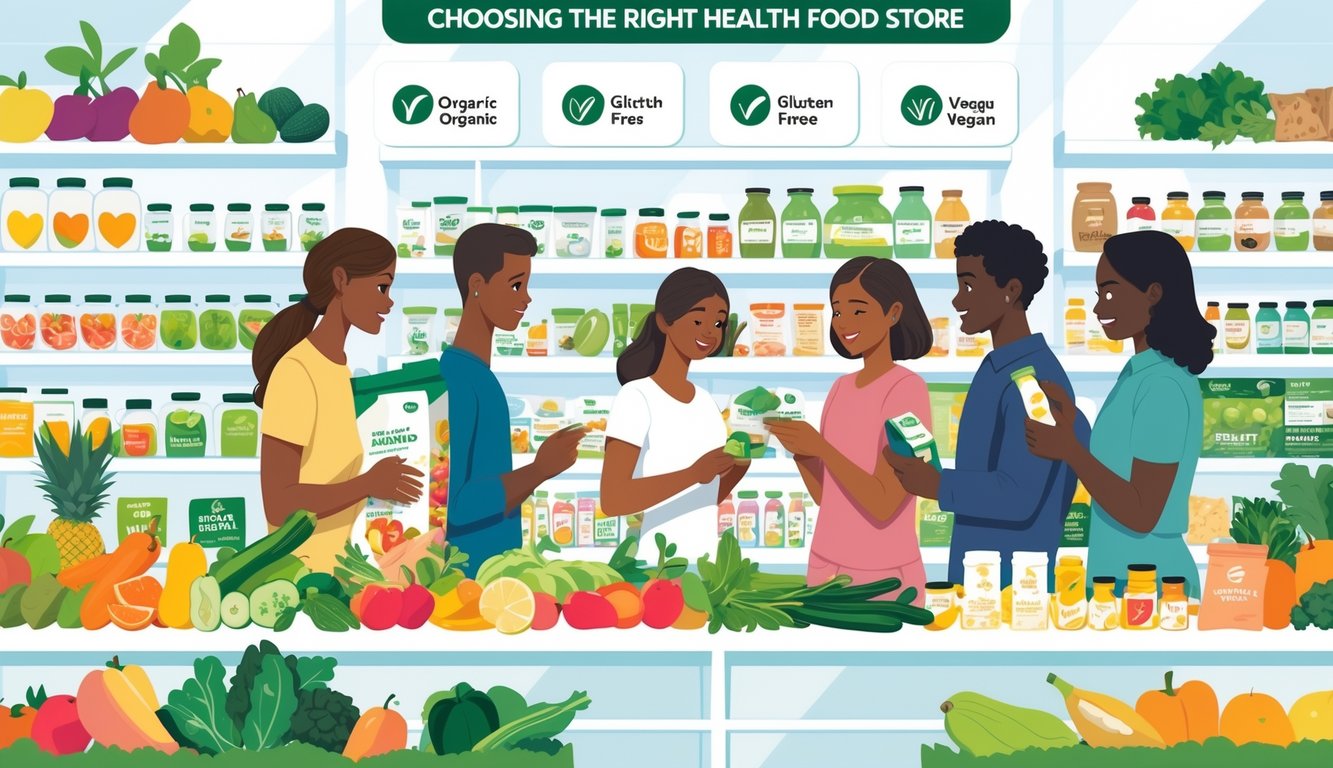
Finding the right health food store is all about fit. I want a store that matches my dietary needs, shopping style, and my budget, so I make sure to check a few key points before deciding where to shop.
Factors to Consider
When I look for a health food store, I pay attention to product variety. Stores with a wide selection of organic, gluten-free, and specialty foods help me stick to my nutrition goals. It’s important to me that the store is clean, organized, and easy to navigate.
I also consider staff knowledge and customer service. Friendly, educated staff can answer my questions about ingredients or suggest alternatives. I like to read reviews from other shoppers, looking for comments about quality and reliability.
To help with my decision, I often create a checklist:
- Range of products
- Cleanliness and organization
- Staff knowledge and courtesy
- Product labeling and info
- Positive customer reviews
Helpful guides explain that people choose health food stores for higher standards and unique offerings compared to regular stores.
In-Store Versus Online Shopping
I decide between shopping in-store or online based on convenience and availability. Shopping in-store lets me inspect produce, read labels up close, and ask questions right away.
Online shopping gives me access to detailed product info, reviews, and sometimes a larger inventory. If I need specialty items or hard-to-find ingredients, online stores usually provide more options.
I’ve found that online shopping saves time and can be easier for bulk or non-perishable items. However, in-store visits work better for fresh food, and I get the benefit of personal advice from staff.
Here’s how I compare:
| Feature | In-Store | Online |
|---|---|---|
| Touch & Inspect | Yes | No |
| Staff Help | Yes | Limited |
| Convenience | Usually Less | Sometimes More |
I always choose what fits my needs for that week.
Comparing Prices and Promotions
Comparing prices is a top priority for me. Prices at health food stores can vary, sometimes by a lot. I look for weekly promotions or loyalty programs, which help save money on the foods I buy most. It’s helpful to write down or even use my phone to track prices as I compare different stores.
Sales and bulk discounts on staples like grains, nuts, and seeds are common deals I look out for. Some stores offer price-matching, and I take advantage of coupons or app-exclusive deals where available. Research shows that shoppers who compare and use promotions can save up to 15% on their monthly grocery bills, according to healthy eating guides.
Checking for sales, using rewards programs, and comparing similar products helps me get the best value from my chosen store.
Healthy Living Tips From Health Food Stores
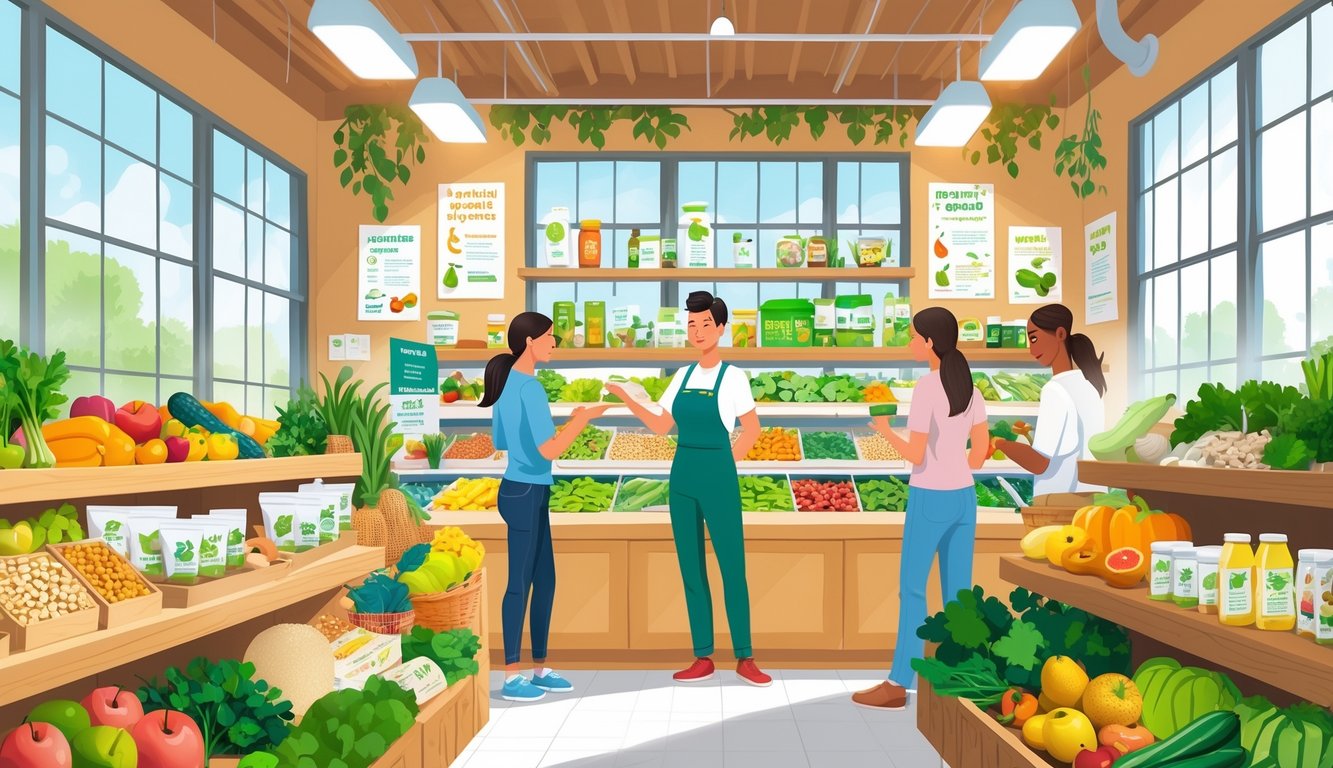
I’ve found that shopping at health food stores helps me make smarter choices for my meals, snacks, and budget. Here’s how I make the most of the unique foods and tips these stores offer every time I shop.
Meal Prep and Recipe Ideas
When I get home from shopping, I like to plan simple, healthy meals using fresh items. I focus on buying whole foods like fruits, veggies, eggs, lean meat, and healthy grains. I pick up items like lentils, brown rice, or quinoa and use them as the base for quick bowls and salads.
For snacks, I’ll grab nuts, seeds, and dried fruits for easy packing in lunches or after workouts. I also look for items labeled “organic” and “non-GMO,” which are common in health food stores and can add more nutrition to my meals. Cooking at home makes it easier for me to avoid added sugars and extra salt that are common in processed foods.
Meal Prep Tips:
- Write down a weekly menu before shopping
- Prepare grains or proteins in bulk
- Chop vegetables ahead of time and store in airtight containers
- Use leftovers for packed lunches
Using simple recipes, like veggie stir-fries or overnight oats, helps me stick to nutritious choices all week. You can find more meal prep and healthy recipe inspiration from guides like Canada’s Food Guide.
Incorporating Specialty Foods Into Your Diet
Health food stores carry products for special diets, like gluten-free or vegan foods. When I want to try something new, I look for labels showing “gluten-free,” “dairy-free,” or “vegan.” This makes it easy for me to find foods that fit my needs, especially if I have allergies or want to experiment with different ingredients.
Some examples of specialty finds are protein-rich pastas, plant-based yogurts, and dairy alternatives like oat or almond milk. When adding specialty foods to my diet, I start with one meal or snack a day so it’s not overwhelming. I sometimes ask staff for ideas or recipes because they often have good suggestions.
If you’re not sure which new foods to pick, I recommend trying small packages first. That way, you can see what you like without overspending. You’ll find more advice about healthy, specialty foods and labels at Heart and Stroke Foundation’s grocery basics.
Maximizing Value and Savings
Shopping at health food stores can be more expensive, but there are ways to save money. Before I go shopping, I always make a list to avoid impulse buying. I look for bulk bins where I can buy just what I need—grains, nuts, and seeds are often cheaper this way.
Buying what’s in season and checking for weekly deals helps me stretch my dollar. I also pay attention to generic or store brands, which usually cost less than brand names but are just as good. If I see a favorite item on sale, I sometimes stock up if it has a long shelf life.
Coupons, loyalty programs, and sales can also help lower the bill. Planning meals around what’s on special or using less expensive protein options, like eggs or beans, keeps my meals healthy and budget-friendly. For more tips on how to save and make healthy choices, check out these shopping basics for healthy eating that are also budget-friendly.
Frequently Asked Questions
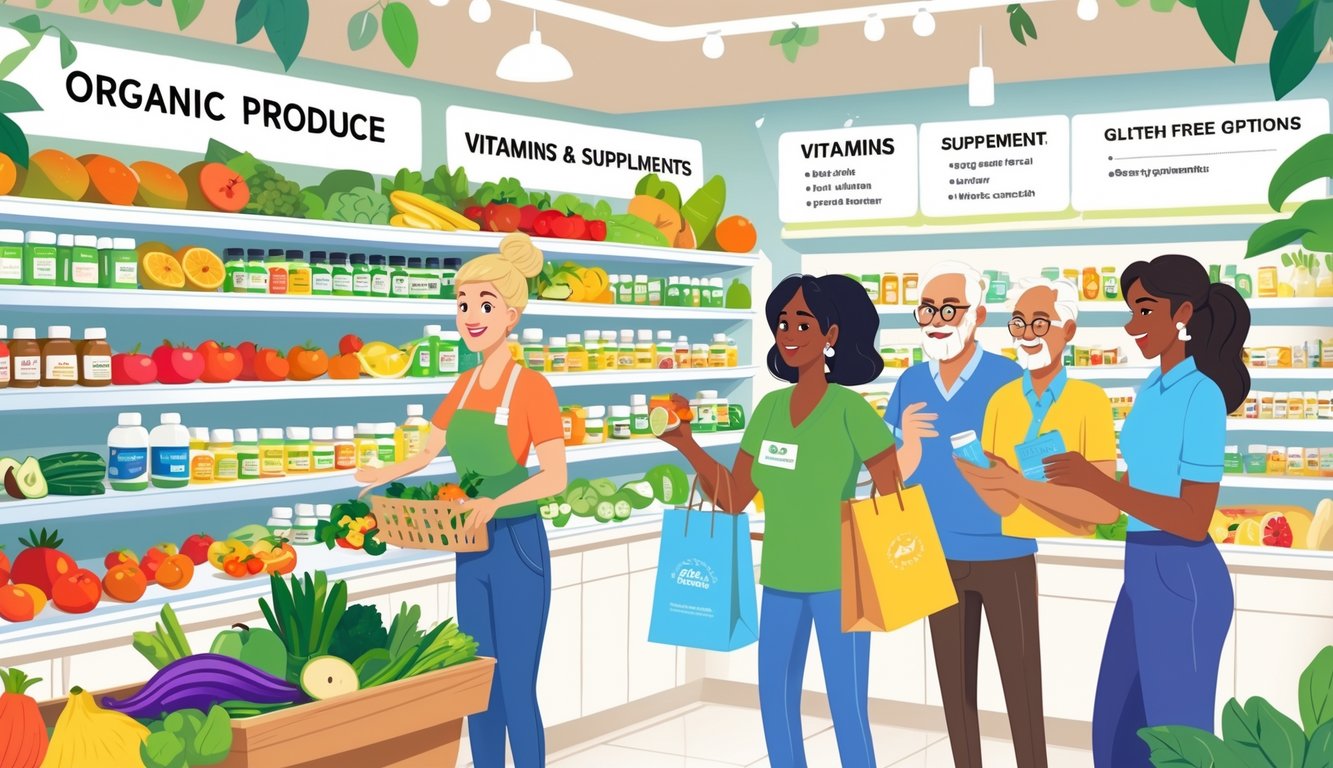
I often get questions about what you can find in a health food store and how to choose the right one for special diets. Below, I answer the most common questions about products, prices, and shopping options.
What types of organic products can I find at a health food store?
When I shop at health food stores, I usually see a big selection of organic fruits and vegetables. There are also organic pantry staples like flour, cereal, nuts, and pasta. Many stores also carry organic dairy, eggs, meat, and snacks.
Organic snacks, juices, teas, and baking ingredients are easy to find. Most of the products have clear labels, so I can spot which are certified organic.
Are there any local health food stores that offer delivery or curbside pickup?
These days, I have noticed more health food shops offering online ordering with home delivery or curbside pickup. This makes getting specialty items convenient if I can’t visit in person. Some stores show delivery and pickup details right on their website, so I can check before placing an order.
How do I choose the best health food store for my dietary needs?
When I’m looking for a good health food store, I pay attention to the range of products offered. If I have a specific diet, I look for shops with lots of options for that need, such as gluten-free or plant-based foods.
It helps to read ingredient labels and ask staff about products. I can also find more tips in guides that compare shopping at health food stores and regular grocery stores.
What are the price ranges for natural supplements at health food stores?
Natural supplements at health food stores can range in price based on the type and brand. From my experience, prices for simple vitamins start at just a few dollars while specialized or high-quality supplements can cost more. Buying in bulk or store brands often saves me money.
Some stores offer discounts or loyalty programs that help with costs over time.
Can I get gluten-free or allergen-friendly products at a health food shop?
Yes, I find that most health food stores stock a wide range of gluten-free foods, such as breads, pasta, cereal, and snacks. Allergen-friendly products are usually labeled clearly and separated for easy shopping. I have also come across baking ingredients and treats made for people with allergies.
Many stores answer common questions about finding gluten-free products and prices.
Do health food stores typically carry vegan and vegetarian options?
Almost every health food shop I’ve visited carries vegan and vegetarian choices. This includes plant-based milks, cheeses, and meat alternatives. There are also vegan baked goods, nutritional yeast, and egg replacements.
I usually find that these options are grouped together or marked with clear labels, making it simple for me to find what I need.